
Exploring BTS Filming Locations Across Korea: A Cultural Tourism Guide
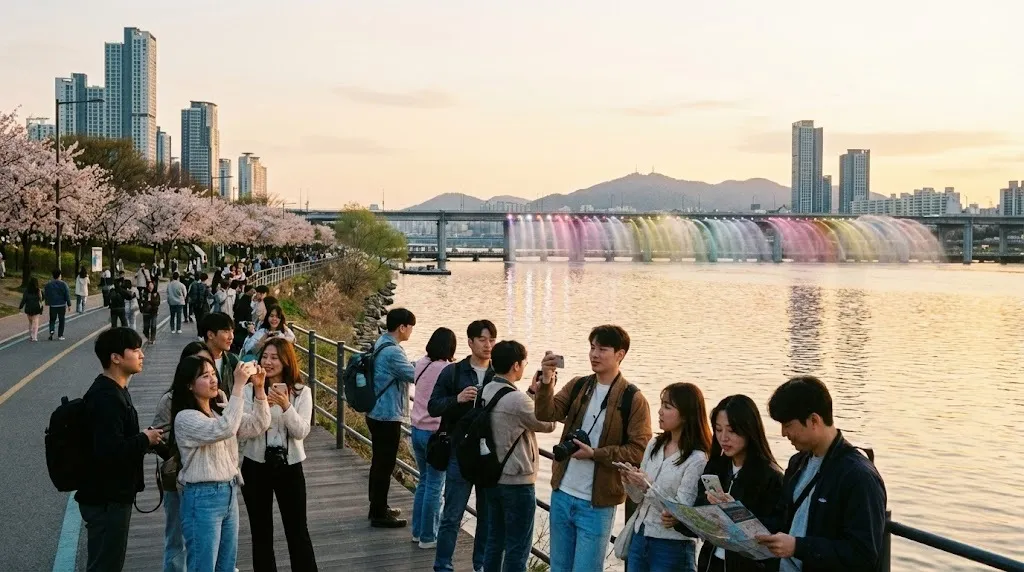
BTS filming locations have become significant cultural landmarks in South Korea, transforming ordinary streets, parks, and historic sites into pilgrimage destinations for millions of fans worldwide. These locations offer more than just photo opportunities—they provide insight into how contemporary Korean pop culture intersects with the nation’s rich history, urban development, and natural beauty.
Understanding where BTS has filmed their music videos, album covers, and promotional content reveals a deliberate curation of Korean identity. From centuries-old palaces to cutting-edge architectural spaces, each location tells a story about Korea’s evolution as both a guardian of tradition and a pioneer of modern Asian culture.
Seoul’s Urban Landmarks Featured in BTS Music Videos
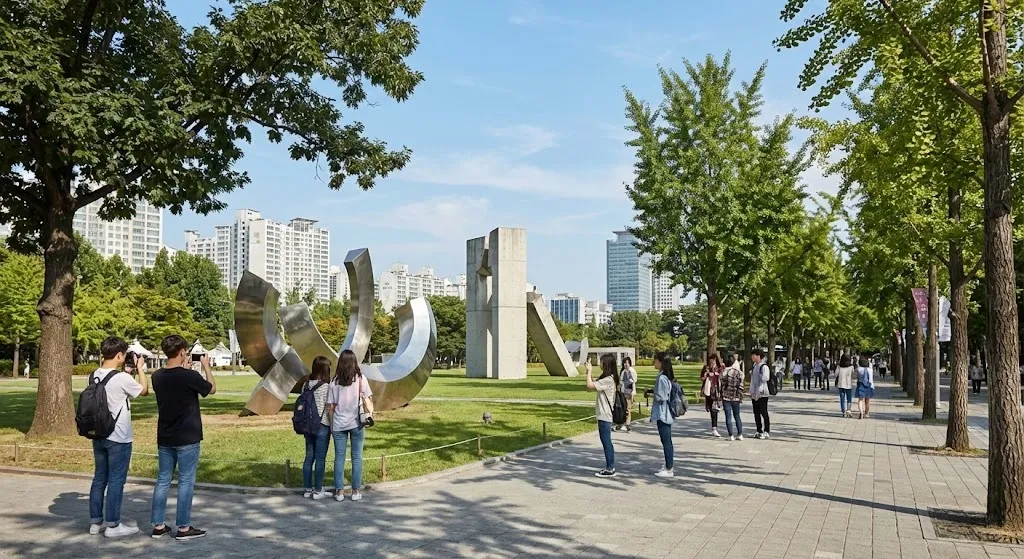
Seoul serves as the primary backdrop for BTS music video sites, with Olympic Park standing out as one of the most frequently featured locations. The expansive green space in Songpa District has appeared in multiple productions, including the “Spring Day” music video, where its stark winter landscape and modernist sculptures created a melancholic visual atmosphere that perfectly complemented the song’s themes of longing and separation.
The Han River parks represent another recurring motif in BTS’s visual storytelling. Yeouido Hangang Park, in particular, has been featured in various behind-the-scenes content and photo shoots. The river’s significance extends beyond aesthetics—it functions as Seoul’s communal living room, where residents gather for exercise, picnics, and cultural events, making it an authentic representation of contemporary Korean urban life.
Ttukseom Hangang Park gained international recognition after appearing in the “Spring Day” music video. The carousel featured in the video has since become a popular destination, though visitors should note that the specific carousel was a temporary installation and no longer stands at that exact location.
Historic and Cultural Sites in BTS Content
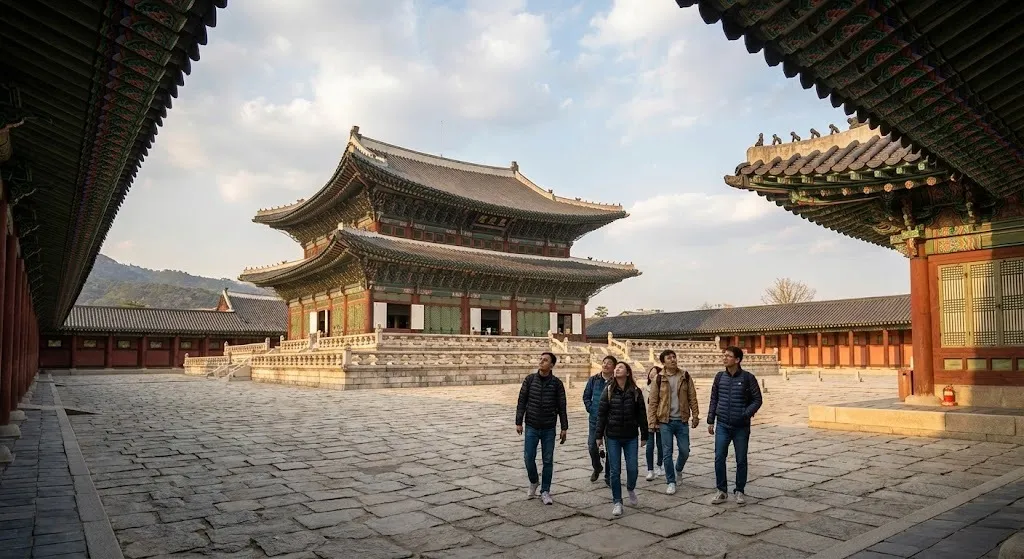
BTS filming locations frequently incorporate Korea’s historical architecture, creating a visual dialogue between past and present. Gyeongbokgung Palace, Seoul’s largest and most iconic palace from the Joseon Dynasty, has served as a backdrop for several photo shoots and promotional materials. The group’s use of these spaces reflects a broader trend in Korean entertainment of honoring traditional aesthetics while pursuing global influence.
Dongdaemun Design Plaza (DDP), designed by architect Zaha Hadid, represents the opposite end of Korea’s architectural spectrum. This neo-futuristic landmark has appeared in various BTS content, including album photography and award show performances. Its fluid, metallic curves symbolize Seoul’s commitment to design innovation and its ambition to position itself as a creative capital.
According to the Korea Tourism Organization, cultural landmarks featured in K-pop content have seen visitor increases of up to 300% in some cases, demonstrating the significant impact of hallyu (Korean Wave) on cultural tourism patterns.
Natural Landscapes and Coastal Filming Destinations
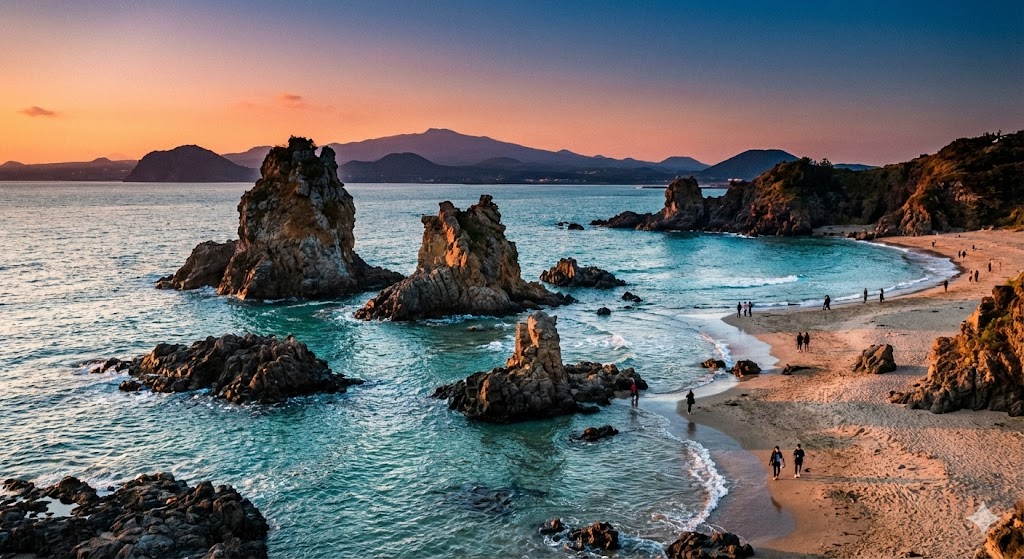
Beyond urban centers, BTS has filmed at several coastal and rural locations that showcase Korea’s diverse natural geography. Namiseom Island, though more famous for Korean dramas, represents the type of scenic, accessible natural location that K-pop productions frequently utilize. These sites offer visual variety and connect Korean pop culture to the nation’s environmental heritage.
Jeju Island’s volcanic landscapes have appeared in various BTS content, including the “Bon Voyage” series. The island’s black sand beaches, dramatic cliffs, and lush countryside provide a stark contrast to Seoul’s dense urbanity. For fans planning visits, Jeju offers well-developed tourism infrastructure while maintaining its distinctive natural character.
The coastal city of Busan—hometown to BTS member Jimin—has been featured in documentary content and personal videos. Songdo Beach and Gwangalli Beach showcase the city’s role as Korea’s second-largest metropolis and a major port, offering a different urban energy than Seoul’s.
Visiting BTS Filming Locations Responsibly
When exploring BTS filming locations, visitors should approach these sites with cultural sensitivity and awareness. Many locations are active public spaces, residential neighborhoods, or protected historical sites that serve functions beyond tourism. The Korean Cultural Center emphasizes sustainable tourism practices that respect local communities while celebrating cultural exchange.
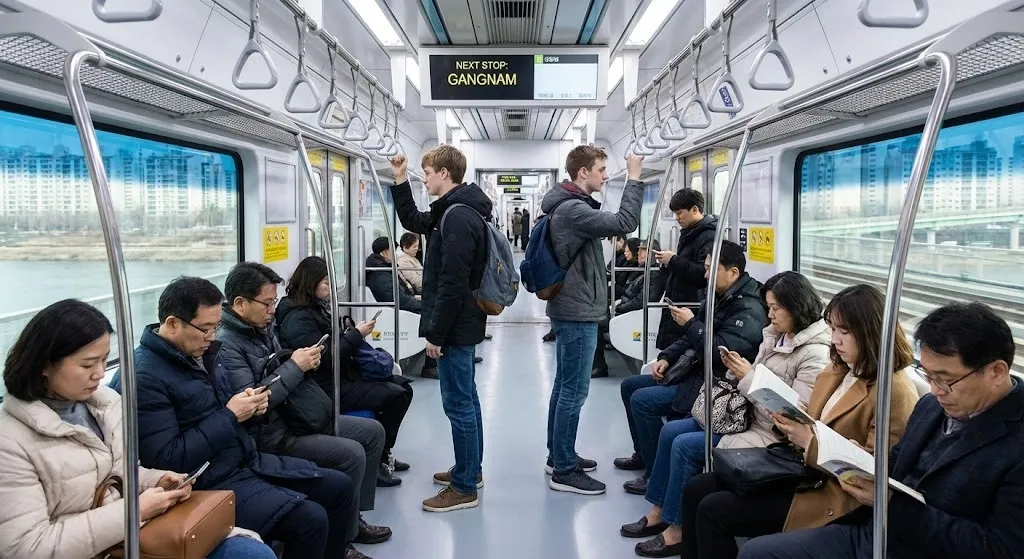
Public transportation provides the most practical way to visit multiple BTS music video sites across Seoul. The city’s extensive subway system connects major landmarks efficiently, and most stations offer English signage and announcements. Mobile apps like Naver Map provide accurate directions and can help identify specific filming spots within larger venues.
Photography etiquette varies by location. While most outdoor public spaces allow photography freely, some indoor venues, museums, and private establishments have restrictions. Historic palaces typically permit photography in courtyard areas but may prohibit it inside buildings. Always observe posted signage and follow staff guidance.
Preserving the Cultural Experience
BTS filming locations function as unexpected bridges between global pop culture and Korean heritage. These sites gain meaning not just from their association with the group, but from their inherent cultural, historical, and architectural significance. Whether standing in Olympic Park’s winter landscape or walking through Gyeongbokgung’s ancient courtyards, visitors engage with spaces that existed long before BTS and will continue to serve their communities long after.
The phenomenon of cultural tourism driven by entertainment content reflects deeper shifts in how people discover and understand unfamiliar places. Korea’s success in leveraging soft power through music, film, and television has created new frameworks for cultural exchange—ones where curiosity sparked by a music video can lead to genuine appreciation for traditional architecture, urban planning, and environmental preservation.
For travelers planning visits to BTS filming locations, the experience offers layers of discovery. Beyond the immediate thrill of standing where favorite videos were filmed lies the opportunity to understand contemporary Korea’s complexity: its negotiation between tradition and modernity, its regional diversity, and its people’s daily lives within spaces that have gained unexpected global visibility.