
Fans Refused Entry at DAY6 Concert Over Stringent ID Requirements
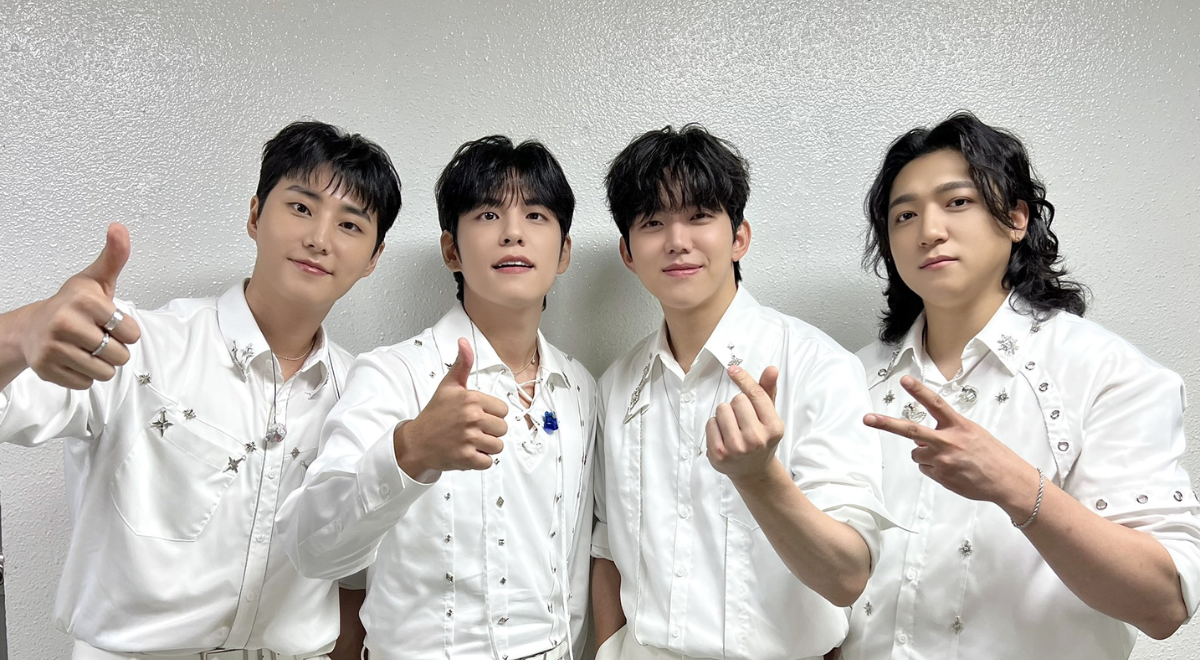
A recent fan concert by DAY6 sparked backlash over strict ID checks that left many valid ticket holders unable to enter, especially underage fans. Despite presenting student IDs, which are commonly accepted forms of identification, several attendees were denied admission, raising serious complaints about the event’s rigid entry policies.
The controversy blew up on social media as fans shared their frustrating experiences. One fan wrote about how it was the first time they were asked for ID after attending four previous DAY6 concerts. Even after showing a student ID and attempting to verify their identity through a passport photo sent by their parent, entry was refused because only physical documents were accepted.
"I’ve been to four DAY6 concerts before, and they never asked for ID. But at this fan concert, they suddenly said ID was required. I showed my student ID, but it wasn’t accepted. I even got my dad to send a photo of my passport, but they rejected that too, saying it had to be a physical copy." _yxn0
Another attendee revealed a similar problem: “I only had my student ID, so I couldn’t get in.” These stories spread quickly, with fans comparing the concert’s strict standards to government procedures—many feeling the rules were harder than those for official activities like voting.
An often-cited point came from an infographic by the National Election Commission of Korea, which recognizes student IDs with photos, passports, and other photo IDs from public institutions as valid for voting.
"If my student ID is good enough for voting, why isn’t it good enough for a concert?" a fan questioned. "It’s absurd that a concert would have stricter rules than the government."
Organizers explained that the ID checks aimed to block scalpers and fake ticket holders. But fans slammed the approach, pointing out that true fans—who followed all the rules—were the ones suffering. One fan said they even brought a police officer along to verify their identity, but still they were turned away.
"This wasn’t about verification—it was about inflexible bureaucracy," they said.
The frustration grew even more when those denied entry were also refused refunds, which fans called unfair and a violation of their rights. One attendee expressed their disappointment:
"We bought tickets through official channels, but they refused to let us in and wouldn’t refund us either. They talk about stopping scalpers, but there’s no real system—just damage to actual fans."
Some defended the organizers by noting that the ID policy was announced ahead of time. However, many argued the issue was not whether notice was given, but the strict, unbending enforcement. A post from the fan community summed up this feeling clearly:
"Whether it was announced or not, this kind of rigid enforcement is the problem. Why should getting into a concert be harder than voting?"
What started as complaints about student ID acceptance has sparked a larger debate about how K-pop events manage crowds and prevent scalping. Fans are now demanding fairer, smarter measures that don’t punish genuine ticket holders and respect consumer rights.
Fans took to Twitter to voice their anger and call for change, highlighting how these policies hurt the people who truly support the artists, rather than stopping those trying to profit illegally.
This incident at the DAY6 fan concert serves as a clear example of how event policies need to balance security with fairness to keep the K-pop fan experience positive and accessible.