
How Tteokbokki Comfort Food Became a Symbol of K-Pop Training Life
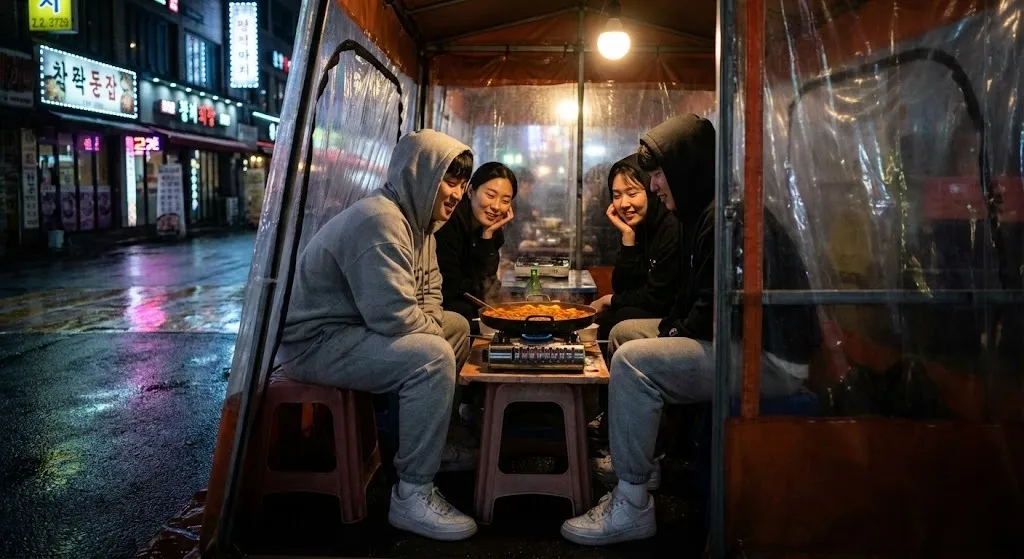
In the demanding world of idol training, tteokbokki comfort food has quietly earned a special status. For generations of aspiring performers, the spicy rice cake dish has become more than a snack—it is a familiar emotional anchor in a life defined by schedules, evaluations, and sacrifice. Within the tightly controlled routines of K-pop training, tteokbokki offers something rare: warmth, affordability, and a sense of normalcy.
The Daily Reality of K-Pop Trainee Life
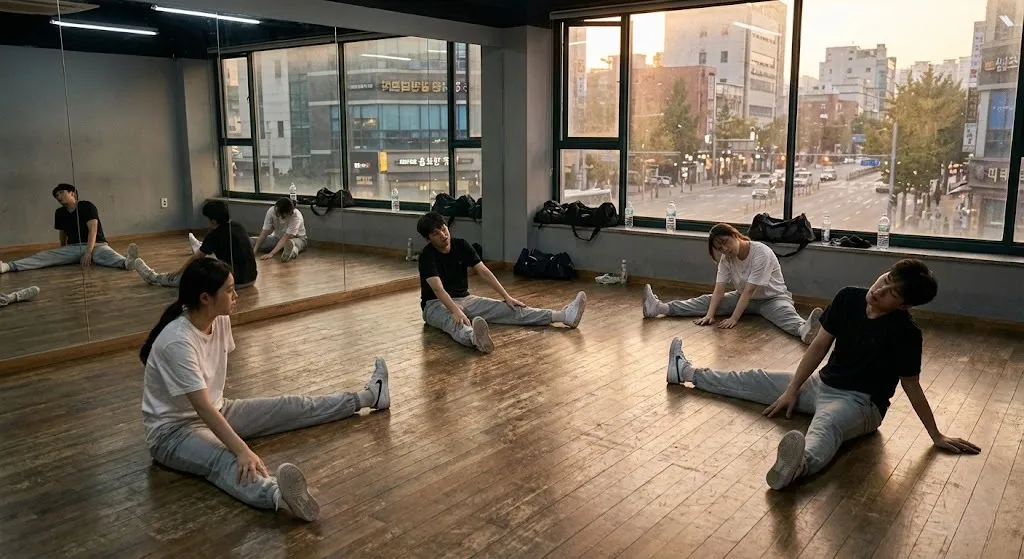
To understand why tteokbokki comfort food resonates so deeply, one must first understand the intensity of trainee life. Most trainees enter agencies in their early teens, trading ordinary adolescence for endless practice sessions, vocal lessons, and public evaluations. Days stretch late into the night, with limited personal freedom and constant performance pressure.
Meals are often hurried and restricted, shaped by strict diet expectations and tight budgets. Within this environment, comfort food for idols is rarely indulgent or elaborate. Instead, it needs to be quick, filling, and emotionally satisfying—qualities that tteokbokki has embodied for decades across Korean society.
Why Tteokbokki Fits Trainee Life Perfectly
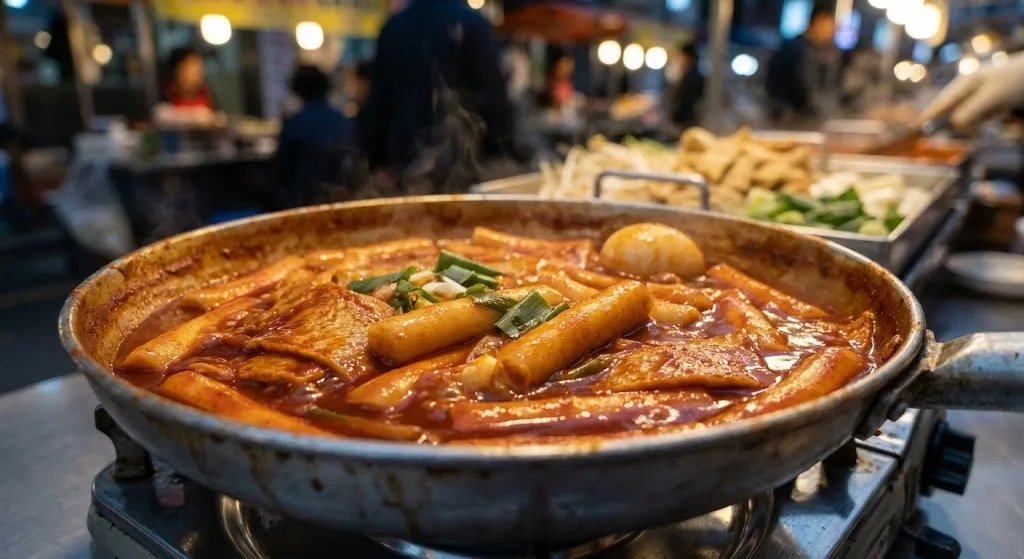
As a staple of Korean street food culture, tteokbokki meets the practical needs of trainees almost perfectly. It is affordable, widely available near academies and studios, and filling enough to sustain tired bodies after practice.
But affordability alone does not explain its emotional pull. The familiar balance of spice and sweetness activates nostalgia, reminding trainees of school days and simpler routines before auditions and monthly evaluations dominated their lives. For many, tteokbokki comfort food becomes a bridge between their past and their uncertain future.
In an industry where control is constant, choosing to eat tteokbokki—often shared with fellow trainees—becomes a small act of autonomy. It is one of the few moments where enjoyment is uncomplicated and unmeasured.
Shared Bowls, Shared Struggles
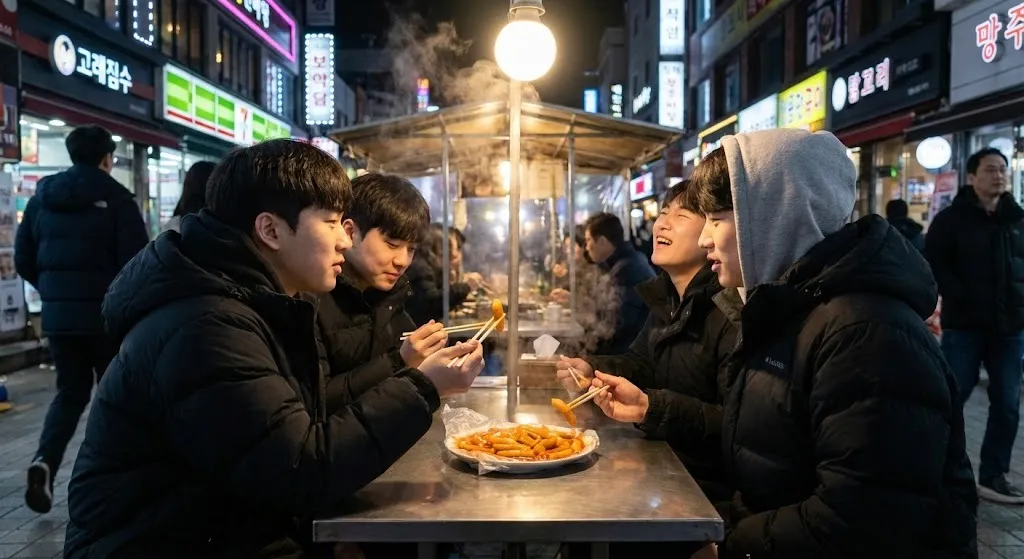
The social ritual of eating together plays a crucial role in K-pop culture. Trainees often form deep bonds through shared hardship, and late-night meals become informal support sessions. Over plastic stools and paper cups of broth, anxieties are aired, frustrations softened, and encouragement exchanged.
In this context, tteokbokki comfort food functions as a communal language. It does not require explanation or ceremony. Everyone understands its role. Eating together reinforces solidarity, turning a humble street dish into a quiet source of resilience.
This pattern mirrors broader Korean food culture, where communal eating strengthens emotional ties. According to the Korea Tourism Organization, street food has long served as an accessible social space across generations, offering comfort and connection in urban life.
From Trainee Memories to Idol Mythology
As trainees debut and become public figures, memories of tteokbokki often resurface in interviews and behind-the-scenes content. These anecdotes humanize idols, grounding their polished images in shared cultural experience.
Fans recognize these stories instantly. The dish becomes a symbol of perseverance—a reminder that even global stars once relied on the same street food as ordinary students. Media outlets such as The Korea Herald have frequently highlighted how food memories help idols connect with audiences beyond performance.
In this way, tteokbokki comfort food evolves into part of K-pop’s mythology, representing endurance, humility, and emotional grounding within a highly commercialized industry.
Why Tteokbokki Still Matters
In a system built on relentless ambition, small comforts carry immense weight. Tteokbokki comfort food endures because it satisfies both body and spirit, offering warmth when the path ahead feels uncertain. For K-pop trainees, it is not just fuel—it is reassurance that they are not alone in the struggle.
As K-pop continues to expand globally, the quiet rituals behind the scenes remain unchanged. Somewhere near a practice room, a pot of tteokbokki still simmers, waiting to offer comfort to the next generation chasing the same dream.